The modern wealth gap has become not just an economic reality but a cultural phenomenon. People regularly scroll past headlines about billionaires and massive fortunes without flinching— a sign of how detached public discourse has become from real-world economic experience.
How Big Is a Billion?
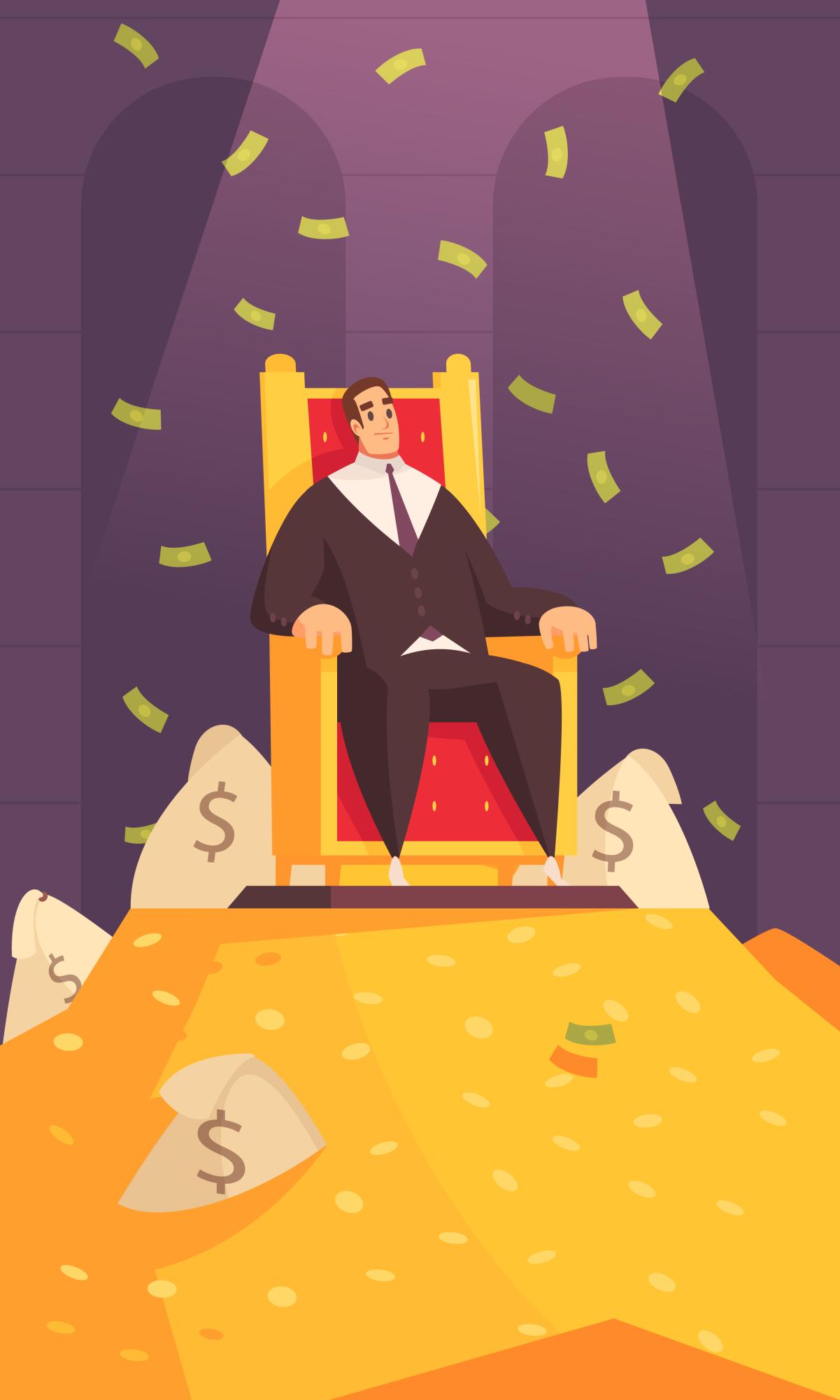
To grasp the magnitude, consider this: if you spent $1,000 every single day—roughly what many middle-class families might spend on rent or groceries— it would take nearly 2,740 years to spend one billion dollars. Yet in headlines, billionaires accumulate multiple billions with casual frequency.
This detachment is more pronounced because money figures are tossed around without context: a celebrity becomes a “billionaire,” another company posts $10 billion in quarterly profit, and advertisers treat these numbers like background noise.
Taylor Swift: Billionaire Superstar and Cultural Touchstone
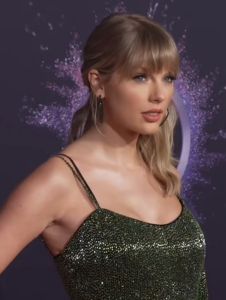
Taylor Swift’s ascent to billionaire status illustrates this phenomenon perfectly. Forbes estimates that Swift became a billionaire largely through the success of her Eras Tour and ownership of her music catalog, with her total net worth reportedly around $1.6 billion by 2025– a blend of music earnings, touring profits, media deals, and catalog valuation.
To the public, Swift’s wealth sparks vastly different reactions. Some fans celebrate her success; others critique the very idea that one artist can hold more wealth than entire communities need to function. In social media forums, critics have lamented that “no one actually needs a billion dollars” and argued that discussions around celebrity wealth distract from the struggles of people who can’t afford basic necessities. These conversations often revolve around the relatability of her music versus the absurd scale of her earnings.
Still, pop culture plays a role in normalizing magnitude without meaning. When fans and critics alike casually write about “Taylor being a billionaire” in everyday threads, it reflects a broader desensitization to what those numbers actually imply.
Becca Bloom and the Rise of RichTok
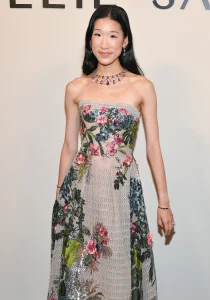
Another cultural marker of wealth desensitization is the rise of “RichTok,” a subset of social media where influencers like Becca Bloom showcase lavish lifestyles to millions of viewers. Bloom, often called the “queen of RichTok,” amasses a following by documenting luxury fashion, expensive meals (even for her pet), and high-end travel and experiences. Critics have called her content tone deaf given rising economic pressures for average viewers— dubbing some of her videos reminiscent of “Marie Antoinette TikTok.”
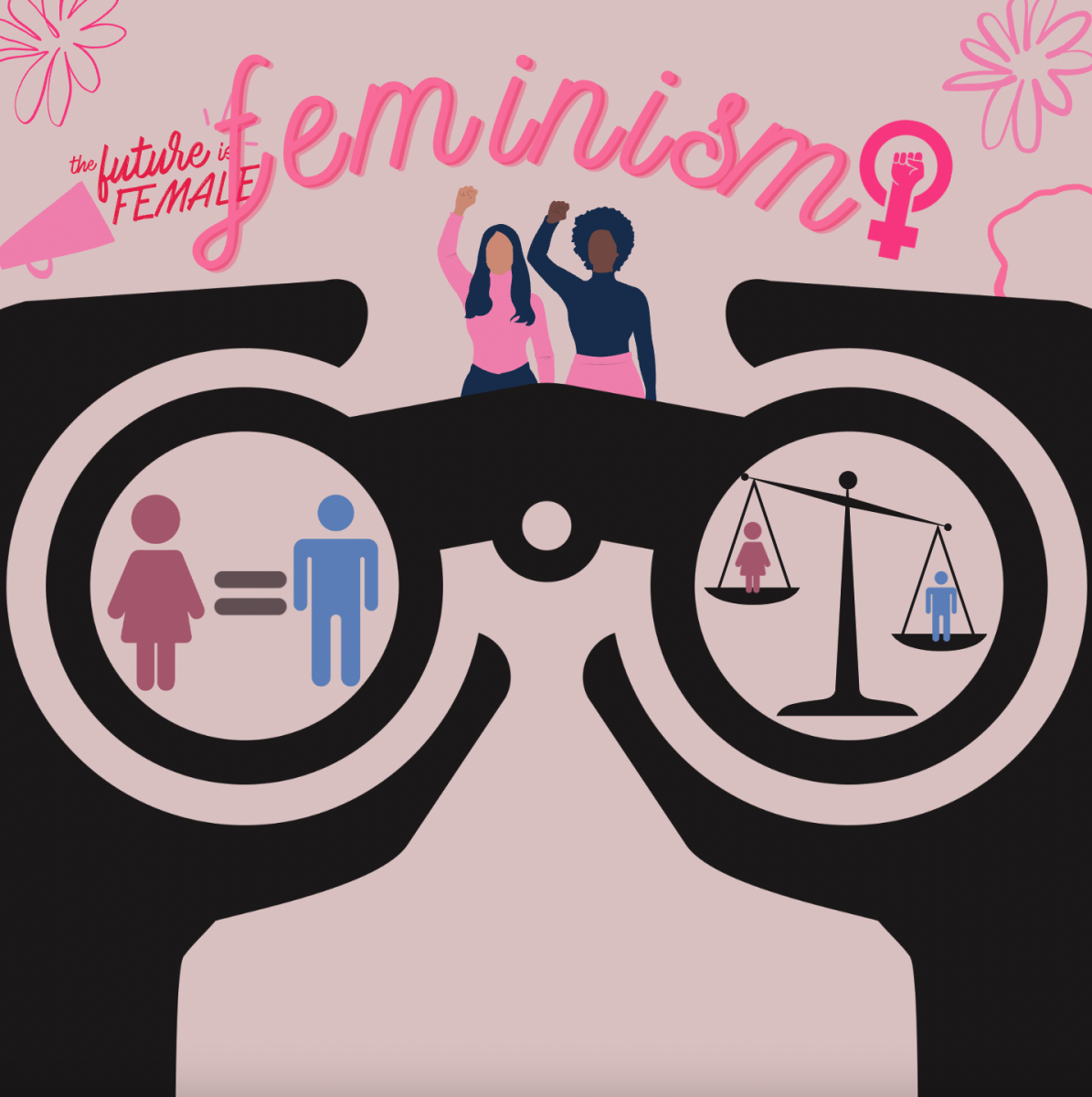
Bloom’s commentary on social issues, like gender equality, has also sparked debate because many argue that extreme wealth disqualifies someone from meaningful discourse about societal inequality. Her defenders counter that wealth doesn’t erase lived experience, but the conversation exemplifies how wealth has become ubiquitous in public dialogue, regardless of context.
Why We Don’t Feel the Numbers Anymore
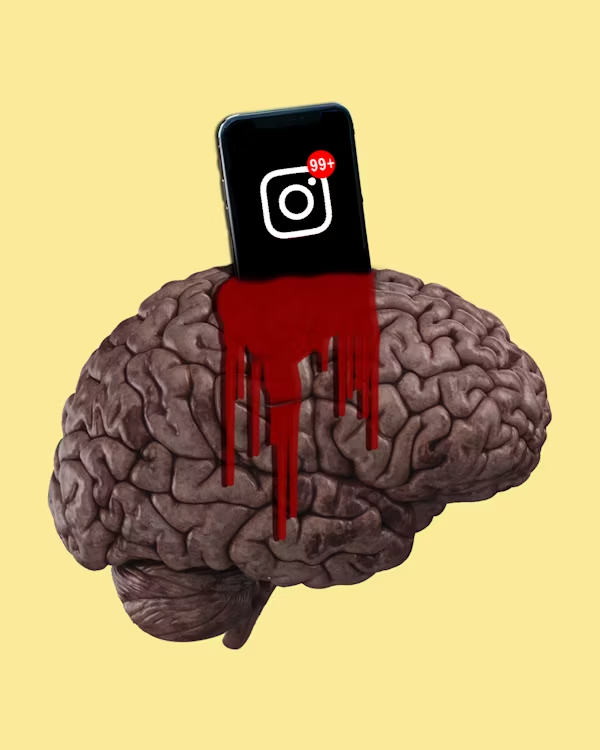
A key reason the wealth gap feels abstract is that media and algorithms reward sensational figures over meaningful explanation. Billions and trillions become shorthand for success or failure, detached from the people experiencing financial precarity. Social platforms feed on spectacle, and large numbers make for clickable headlines without requiring deeper engagement.
This detachment has societal consequences:
Unequal opportunity: As wealth concentrates at the top, economic mobility stagnates, making it harder for people outside the elite to climb the economic ladder.
Political influence: Wealth amplifies voices in politics and policy debates, often drowning out average citizens.
Cultural normalization of inequality: When stories about billionaires coexist with stories of hunger or housing insecurity, society can become numb to the scale of the disparity.
Making Meaningful Sense of Money Again
To counter this numbing effect, it helps to ground wealth discussions in real lives and real needs: how many average jobs a billion could fund, how far public spending could go with a fraction of billionaire wealth, and who benefits or loses in current economic structures. Reframing money in human-scale terms is essential for reconnecting economic data with its real impact.
Sources:
https://people.com/influencer-becca-bloom-slams-critics-equality-wealth-11852442
https://inequality.org/facts/wealth-inequality/
https://www.visualcapitalist.com/the-global-distribution-of-wealth-shown-in-one-pyramid/