For millions of Americans, getting groceries is a quick and simple task. But in many parts of Dallas, it’s much more complicated. These areas, known as food deserts, lack access to affordable, healthy food, especially fresh fruits and vegetables. Across the United States, about 39.5 million people live in communities with limited access to supermarkets.
Food deserts are most prevalent in low-income neighborhoods, where access to grocery stores is limited. Instead, residents often rely on convenience stores or fast food, which typically offer fewer nutritious options.
A Problem Close to Home

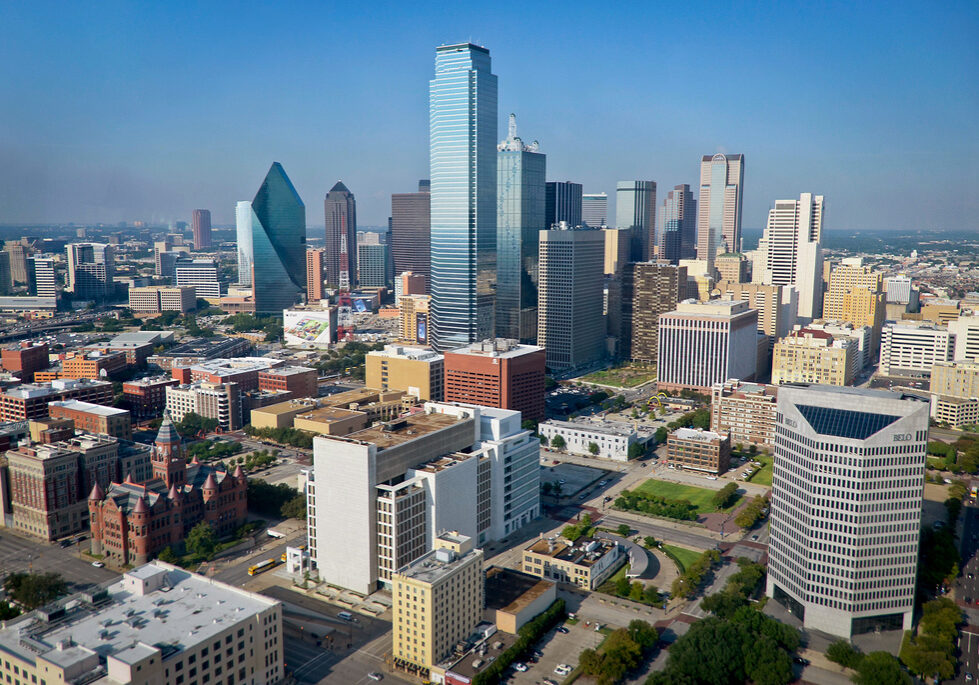
Dallas is one of the cities where food deserts are especially visible. In neighborhoods like South Dallas and Oak Cliff, the lack of grocery stores is not just inconvenient; it shapes everyday life.
One story is that of Chef Amber Williams, who grew up in South Oak Cliff. She experienced food insecurity as a child, and her family sometimes relied on food distribution boxes to get meals. Years later, during the COVID-19 pandemic, she returned to food banks again. Her story reflects how limited food access can affect families across generations.
Distance and Transportation Barriers
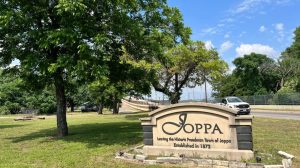
In some neighborhoods, the biggest challenge is distance. In the Joppa area of South Dallas, residents may have to travel about 30 minutes from the nearest grocery store. For those without cars, that trip can require long bus rides or walking. Transportation barriers also affect communities like the Bonton neighborhood , where many residents do not own vehicles. The neighborhood is physically isolated by highways and railroads, making it difficult to access not only food, but other essential resources as well.
When Stores Disappear
Even when grocery stores are available, they do not always stay open. In southern Dallas, the closure of affordable grocery stores has made food access even harder. Kimberly High, a South Dallas resident, who used to walk to a nearby store now has to travel much farther, carrying heavy groceries and stopping to rest along the way. What was once a short, easy trip has become time-consuming and physically exhausting.
Health and Financial Impacts
Food deserts do not just limit convenience; they affect health. Without access to fresh food, many people rely on cheaper, processed options that are high in sugar, salt, and fat. This increases the risk of obesity, diabetes, and heart disease. A study by the National Institute of Health shows that individuals in food deserts are 50% more likely to develop type two diabetes.
There are also financial impacts. Families in food deserts often spend more money and time just trying to get healthy food, whether that means paying higher prices at small stores or traveling longer distances.
Looking Toward Solutions
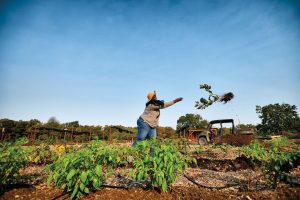
Provided by https://texashighways.com/food-drink/south-dallas-bonton-farms-helps-close-gap-food-desert/
Food deserts are part of a larger issue involving poverty, transportation, and unequal access to resources. However, some Dallas communities are working toward change. Urban farms, community gardens, and local food programs, such as those in Bonton, are helping bring fresh food closer to residents. While these efforts do not completely solve the problem, they show that progress is possible.
Why It Matters
Food deserts are not just about missing grocery stores, they are about limited choices and unequal opportunities. They affect people’s health, education, and quality of life.
For students in Dallas, this issue is not far away; it is happening in nearby neighborhoods. Understanding food deserts is an important step toward addressing a problem that continues to impact millions of people every day.
Sources:
https://www.ers.usda.gov/data-products/food-access-research-atlas
https://www.cbsnews.com/texas/news/joppa-community-planting-seeds-hope-south-dallas-food-desert/
https://www.theguardian.com/us-news/2026/mar/22/florida-food-desert-fruit-trees
https://www.the-sun.com/money/10518830/save-a-lot-closing-dallas-texas-food-desert/
https://www.medicalnewstoday.com/articles/what-are-food-deserts
https://pmc.ncbi.nlm.nih.gov/articles/PMC4218969/