In 2025, Texas made one of the biggest changes to its education system in decades by passing the Texas Education Freedom Accounts (TEFA) program. Supporters call it a win for parental choice, while critics warn it could hurt public schools. As the program begins rolling out statewide, its impact is already being felt by students, families, and educators across Texas.
What Is the TEFA Program?
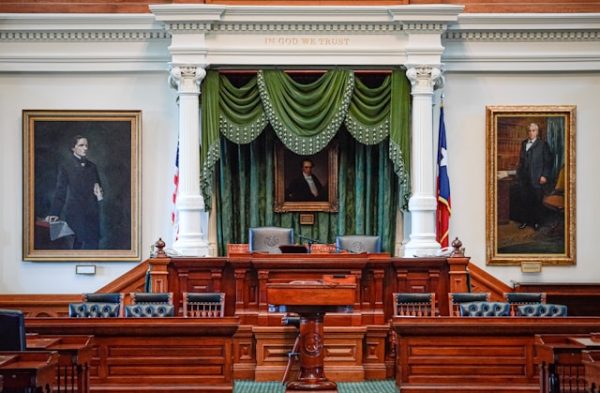
TEFA is a type of education voucher program, officially known as an education savings account (ESA). Instead of all state education funds going directly to public schools, eligible families can receive state money in a special account to pay for approved educational expenses. These include private school tuition, tutoring, instructional materials, and homeschooling resources. The program was passed by the Texas Senate and signed into law by Governor Greg Abbott, with funding set at about $1 billion for its first year.
How the Program Works
Under TEFA, families with children leaving or not enrolled in public schools can apply for funds. Most students will receive around $10,000 per year, while students with disabilities can qualify for much more. Homeschooled students are eligible for a smaller amount, around $2,000. The goal, according to supporters, is to give parents more control over their children’s education and more options beyond their local public school.
Arguments in Favor of TEFA
Supporters argue that TEFA helps families whose children struggle in traditional school settings. Some students may benefit from smaller class sizes and specialized instruction. For families who already wanted to attend private schools but couldn’t afford tuition, vouchers could make that option possible.
Concerns and Criticism
However, the program has sparked major controversy. One of the biggest concerns is public school funding. Texas public schools are largely funded based on student attendance. When students leave public schools for private ones using vouchers, public schools lose funding but still must pay for teachers, buildings, and transportation. Critics say this could lead to fewer resources, larger class sizes, and program cuts especially in already underfunded districts.

Another concern is accountability. Public schools must follow state curriculum standards and participate in standardized testing, but private schools accepting TEFA funds are not held to the same requirements. Critics worry that taxpayers are funding schools without clear oversight of what students are being taught or how well they are learning.
Equity and Access Issues
Equity is also a major issue. Many private schools are located in large cities, meaning rural students may have few or no nearby options. In addition, most private schools, especially the high ranked ones, charge tuition well above the voucher amount. This means that the vouchers would only pay for a fraction of a student’s tuition, the remaining amount would still have to be paid by the student’s parents.
Looking Ahead
 As the program begins, Texans remain deeply divided. Some see TEFA as a long-overdue expansion of educational freedom, while others fear it weakens public education, the system that serves the majority of students. What’s clear is that TEFA represents a major shift in how Texas approaches education, and its long-term effects will shape schools and students for years to come.