Language is a lot like a living thing. It grows, it changes, and it adapts to whatever the world throws at it. If you look back at how people wrote and spoke a hundred years ago, it feels almost like a different planet. Back then, everything seemed so formal and “fancy,” with long sentences and perfectly picked words. But today, if you look at a group chat or a social media caption, it’s all abbreviations like “lol” or “fr” and short sentences that barely use any grammar. Some people call this the “devolution” of language, saying we’re getting lazier or less intelligent, but if we look through a historical lens, maybe it’s just a sign of how our lives have changed.
The Era of Eloquence
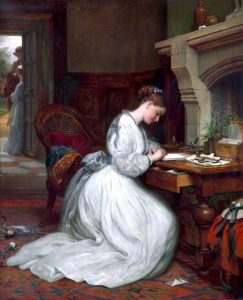
(Walker Art Gallery, Liverpool)
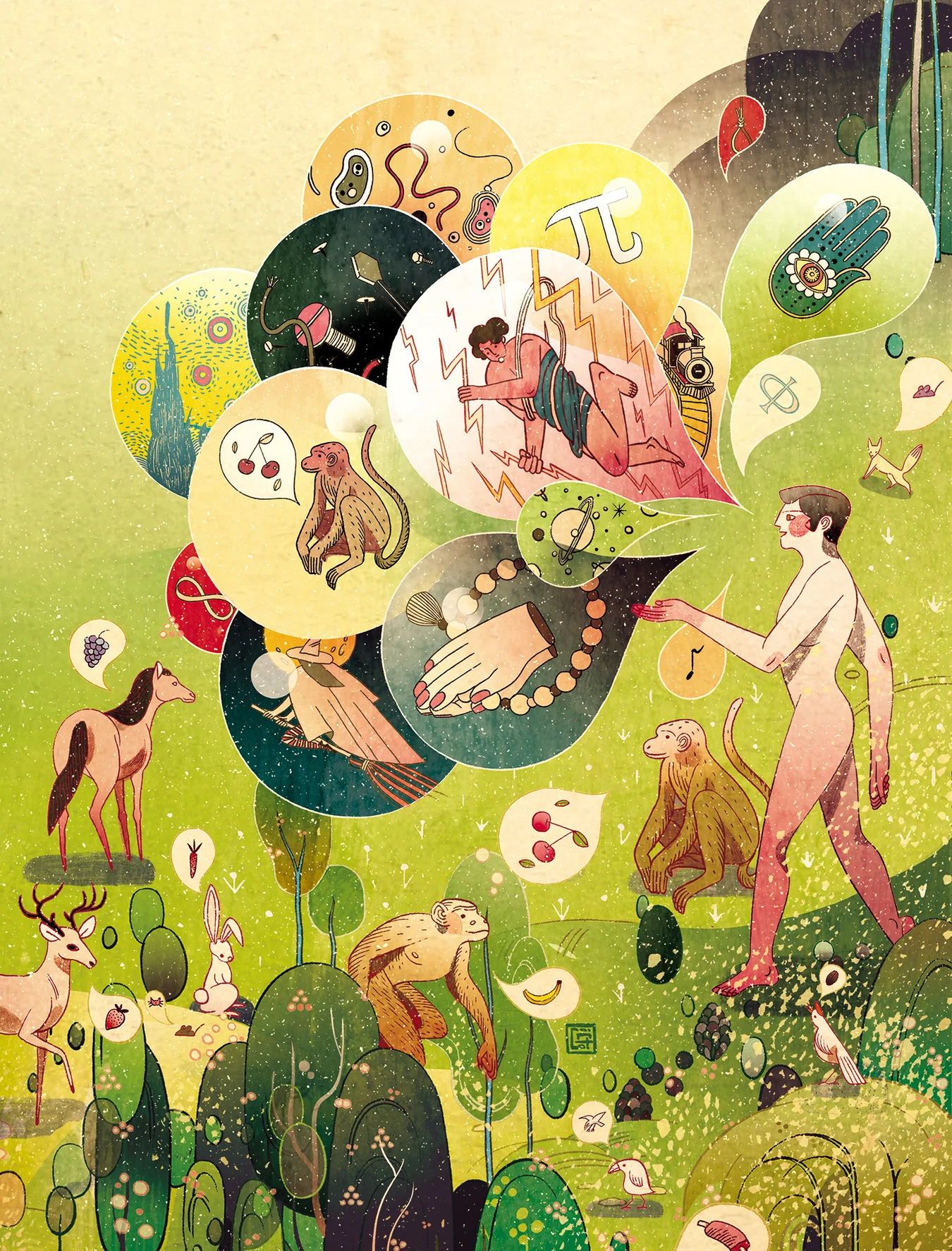
Picture provided by Scientific American
In the past, especially in the 18th and 19th centuries, being “eloquent” was a huge deal. Writing a letter wasn’t just about sending information; it was an art form. People used complex sentence structures and a massive vocabulary to show they were educated and respectful. If you read old books, like the ones by Jane Austen or even old government documents, the language is dense. They didn’t use contractions like “don’t” or “can’t” nearly as much because it was seen as too casual or even rude in professional settings.
The goal back then was precision and beauty in speech. People had the time to sit down and craft a three-page letter by hand. Because communication was slow, waiting weeks for a mail carriage or a ship, you had to make sure every word counted. You couldn’t just send a follow-up “my bad” text if you forgot something or sounded unclear. This created a culture where “high” language was the standard for anyone who wanted to be taken seriously.
The Shift to the Casual
As time moved on, especially with the invention of the telegram and then the telephone, the way we talked started to shift. The telegram is a great historical example of why language started getting shorter. You had to pay by the word, so people cut out everything that wasn’t necessary. This was basically the Great-Grandfather of the “text speak” we use today. It taught us that as long as the person on the other end understands the point, the extra “fluff” doesn’t always matter.
By the time we got to the late 20th century, the “rules” of being formal started to break down even more. Pop culture, movies, and music made slang and casual talk the new cool. Using big, flowery words started to make people sound stuck-up rather than smart. We started valuing “authenticity” over “eloquence.” Instead of saying, “I find myself in agreement with your previous statement,” we just started saying, “I agree” or even just “True.”
The Rise of the Abbreviation
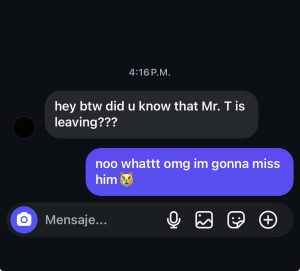
Today, the biggest change is definitely how much we rely on abbreviations and contractions. With the rise of the internet and smartphones, we’re communicating faster than ever before. We don’t have time to type out “By the way” or “I am going to” when we can just type “btw” or “gonna.”
Some people think this is a sign that our brains are shrinking or that we don’t care about education anymore. They look at “u” instead of “you” and think it’s the end of civilization. But really, it’s just efficiency. In a world where we’re constantly bombarded with notifications, we’ve developed a shorthand to keep up. It’s a tool. We still know how to write a formal essay when we have to (mostly), but for our daily lives, we’ve chosen a version of English that fits our fast-paced reality.
Is it Devolution or Evolution?
The word “devolution” implies that we are moving backward, but linguists, usually disagree. They argue that language isn’t getting “worse,” it’s just becoming more flexible.
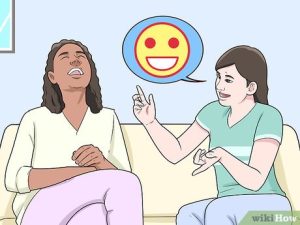
In the “old days,” language was often used as a gatekeeper. If you didn’t know the fancy rules or have a massive vocabulary, you were seen as “lower class” or uneducated. Today’s more casual language is actually a bit more democratic. It’s easier for more people to use and understand. Plus, we’ve added new things that old-fashioned language didn’t have, like emojis. An emoji can convey a tone of voice or a facial expression that a 19th-century writer might have needed a whole paragraph to describe.
The Modern Day
It’s true that we don’t sound like Shakespeare or the founding fathers anymore. We use “it’s” instead of “it is,” and we’ve traded “thou art” for “you are” and finally for “u r.” While it might seem less elegant on the surface, our language today is a reflection of who we are: a society that values speed, connection, and being relatable.
We might have lost some of the poetic “vibes” of the past, but we’ve gained a way of speaking that is direct and inclusive. Language has always been a tool for humans to connect, and as long as we’re still understanding each other, it’s doing its job perfectly fine. Whether it’s a handwritten letter or a “wyd” text, the goal is still the same: making sure our voice is heard.