Content Warning: Reader discretion is advised. This article discusses sexual assault and other sensitive topics.
Sexual assault is a crime that pervades daily life. According to the Rape, Abuse, & Incest National Network (RAINN), the leading anti-sexual violence organization in the United States, someone is sexually assaulted nearly every minute in the nation, and every nine minutes, that person is a child. However, a vast majority of assaults go unreported—according to RAINN, just 1 in 3 victims of sexual violence report their assault to authorities, representing 310 out of every 1,000 survivors. With a large amount of sexual crimes never being reported, it is vital to understand why survivors choose not to report, allowing us to support them in pursuit of healing.
One of the most significant reasons sexual assaults go unreported is fear, whether it be fear of not being believed, fear of retaliation, or fear of public exposure. Survivors often anticipate skepticism from others, including law enforcement, friends, and even family members. This fear is not unfounded; many survivors who do come forward face invasive questioning, character judgment, or outright dismissal. The possibility of reliving the trauma during investigations or court proceedings can feel as overwhelming as the assault itself.
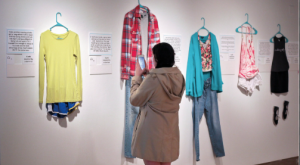
Shame and self-blame also play a powerful role. Cultural narratives and victim-blaming attitudes can lead survivors to internalize responsibility for what happened to them. Questions like “What were you wearing?” or “Why were you there?” subtly shift blame onto the victim, reinforcing feelings of guilt and discouraging reporting. Particularly when 82% of all juvenile victims are female, according to RAINN, the culture of not believing female voices exasperates the issue. In many communities, particularly those with strong stigmas around sexuality, survivors may fear being ostracized or bringing dishonor to their families.
Another critical factor is the relationship between the survivor and the perpetrator. In a large number of cases, the offender is someone the survivor knows—an acquaintance, partner, colleague, or family member. Reporting such individuals can carry emotional, social, and financial consequences. Survivors may worry about disrupting their social circles, damaging relationships, or facing backlash from mutual connections who may side with the accused.
Institutional barriers further complicate the decision to report. Legal systems can be difficult to navigate, time-consuming, and, at times, retraumatizing. Survivors may lack access to resources such as legal counsel, counseling services, or even basic information about how to report. For marginalized groups—such as undocumented individuals, people of color, LGBTQ+ individuals, or those with disabilities—these barriers can be even more pronounced due to distrust in authorities or previous negative experiences with institutions. Indeed, 3 in 5 lesbian women and gay men reported experiencing contact sexual violence, making them largely at risk of the issue.
There is also a practical dimension to consider. Some survivors may depend on their abuser for financial support, housing, or immigration status, making reporting seem too risky. Others may feel that there is insufficient evidence to pursue a case, especially if the assault did not result in visible injuries or if time has passed.
Finally, a sense of futility can discourage reporting. Low conviction rates for sexual assault cases can lead survivors to believe that coming forward will not result in justice. This perception, whether accurate or not, can make the emotional cost of reporting seem unjustifiable. To make matters worse, according to RAINN, 98% of sexual violence perpetrators walk free.
Although the pursuit of justice may seem worth the consequences, there are valid reasons why sexual assault survivors do not report their crimes. Survivors do come forward with their stories for many reasons, whether they are trying to protect a family member from the same abuse or to prevent that attacker from committing the same crime on a stranger. Either way, society must work to understand and listen to the voices of survivors in order to uphold justice and make the world safer, one person at a time.