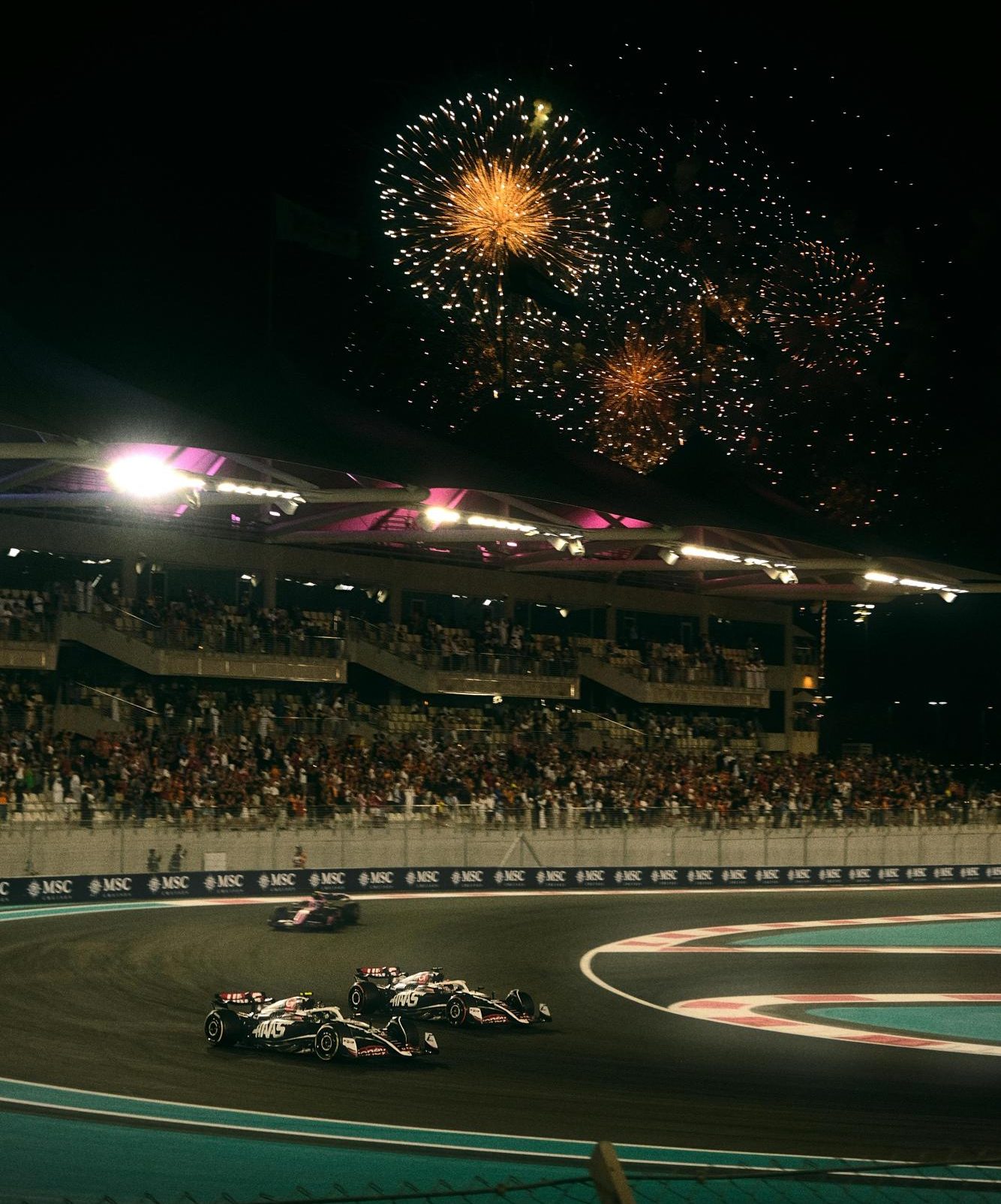
To be a Formula 1 fan is to open Instagram and see a feed more divided than our current political climate. The McLaren mob cheers about yet another race weekend where Lando Norris and Oscar Piastri take 1st and 2nd position, Red Bull rooters pray that Max Verstappen can make the podium in a tractor, and Ferrari fans sob in the corner over a double “did not finish” (DNF). As of now, the Formula 1 season of 2025 is coming to a close. On the weekend of December 5th, the final race of the season will take place, and the frenzied fans will finally know whether or not their favorite racers took home gold. But one team in particular has been taking quite a few hits this season, and its fans are at their lowest. Scuderia Ferrari, a team identifiable by bright red and yellow helmets and cars, has had two double-DNFs and only one pole (first) position win this season. But this is very out of character for the Italian team. Its two racers are exceptional, one being the record holder for the most wins, pole positions, and podium finishes, and the other having 50 podium finishes and 27 pole positions. So, how does such a stacked team end up performing so poorly this season? The answer lies in the team’s faltering strategy, earned penalties, and technical mistakes.
Strategic Missteps
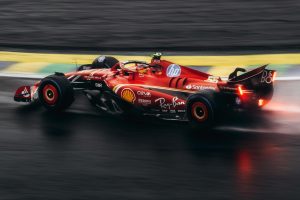
Many fans are quick to blame Ferrari’s race engineers for the team’s underperformance this year, and they’re not completely wrong. The team’s internal decisions made the car slower and weaker compared to the cars of other teams. The team enacted reductions to its car upgrade program during the season so engineers could reallocate resources towards preparing for the host of 2026 rule changes. That decision damned the team’s cars, limiting the number of new aerodynamic parts, floor upgrades, suspension tweaks, and cooling system repairs that should normally help a team close the gap near the end of a season when things are falling into disrepair. Other top teams consistently produced new upgrades almost every race, which continued to stretch the performance gap between Ferrari and other teams.
The disruption in the team’s development also hurt its ability to correct the current car, SF-25’s, repeating problems—unstable steering and handling at high speeds, easily sustaining floor damage when running low, and inconsistent tyre performance. These issues would usually demand several tests and updates to fix, but with the lack of updates to the car, Ferrari sustained these problems and let them impede the racers’ performances.
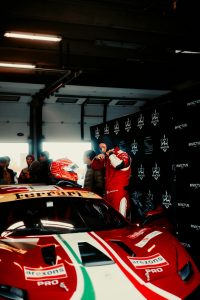
Errors in the garage also added to the damage. Tyre choices during races often stretched the tyres too far, causing the car to run lighter than allowed after fuel drains when the car is weighed, resulting in disqualifications. Morale dropped as the season went on. Public comments from team leadership confirmed that halting development dampened the mood of those inside the garage. When a team knows that they’re practically driving a tractor and are meant to race against well-performing race cars, it can be demotivating to put it lightly.
Penalties and Race Outcomes
Penalties, disqualifications, and unfinished races (DNFs) can add up against a team very quickly, even if they receive only one or two. After the 2025 Chinese Grand Prix, both racers’ cars failed post-race scrutineering and were disqualified. Charles Leclerc’s car was underweight after its fuel drain, and Lewis Hamilton’s car had excessive wear on the underside plank, which left it below the allowable thickness. According to FIA regulations, an F1 car must weigh at least 800 kg when measured without fuel post-race. In Leclerc’s case, the car weighed exactly 800 kg at the end of the race, but after draining fuel, it dropped to 799 kg, leading to automatic disqualification. Ferrari fans were in shock. As for Hamilton’s car, all F1 cars have a plank, which is a wood or resin strip, under the chassis. Its function is to enforce a minimum ride height or ground clearance so that teams don’t run the car so low that they have an aerodynamic advantage. Regulations require this plank to have an original thickness of 10 mm, and by the end of the race, this thickness must not fall below 9 mm. Hamilton’s plank measured between 8.5-8.6 mm, leading to the car also being disqualified immediately. Ferrari fans now had their heads in their hands, probably sobbing.
Poor team strategy can be tied to these disqualifications. The team chose to incorporate a one-stop tyre strategy to reduce pit stops.
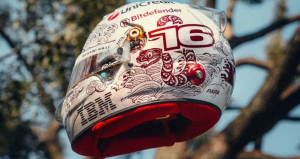
Unfortunately, his strategy proved futile, as it only increased wear on the tyres over the course of the race, contributing to the car being underweight. Rather than acknowledging their mistake and incorporating a safer two-stop system, Ferrari continued to use the one-stop system.
These faults of team strategists and engineers have led to Ferrari having one too many bad races, dooming the team’s chances at any wins for the World Championship. This has left many fans disappointed, coining the term “Ferrari depression” on social media. Captions litter Formula 1 meme account posts such as “We’re 0 Ferrari wins from Christmas” and “funny how people believe in a guy in a red suit who promises good things every year,” comparing the Ferrari racers to Santa Claus. Maybe it’s best for the team’s fans to take a step back from watching motorsport, and acknowledge that at the end of the day, these fast cars and race weekends have no true impact on their lives. Unless they’re into sports betting.