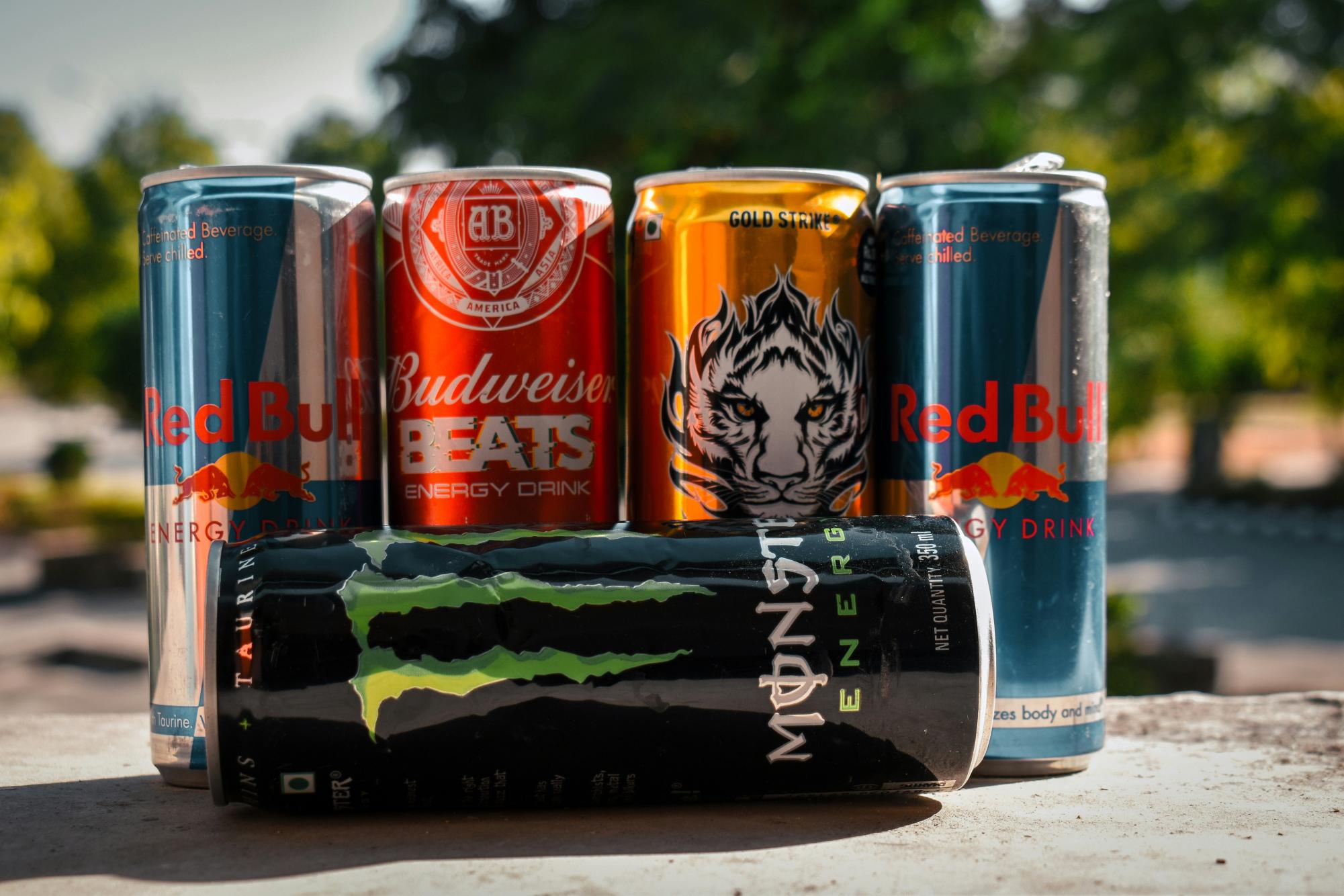
Wings or Warnings? Teenagers and Energy Drinks
Every morning when I arrived at school, I walked over to the Shell and bought myself an 8-ounce Red Bull. Sometimes I bought it for the energy rush, and other times it was simply out of habit. People told me I was addicted to them, but I simply laughed at this comment. Now, I feel a bit worried about my caffeine intake. Turns out I’m not alone; there are many teens who drink and enjoy them as much as I did.
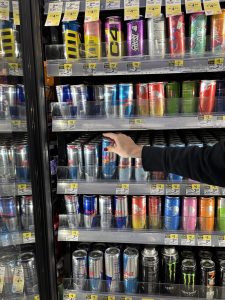
Everyone has heard that energy drinks are horrible for you at some point in their lives. It gets even worse when your friends quote the well-known Red Bull advertisement: “Red Bull gives you wiiiings” and tell you that you will literally gain wings, as in die, after drinking one. In some cases, teenagers say they are not allowed to drink any sort of energy drink. What we should be asking is what makes energy drinks a hit among high school students and what the health risks are.
The Energy Rush
High school can be stressful. From tests to after-school activities, things overwhelm students’ lives. To counter that, they consume a Monster at night, stay up, and study for their math test. They wake up the next morning with only a couple of hours of sleep and drink a Red Bull the next morning to make up for lost sleep, and the cycle repeats. In other cases, they have to clock in to their job after school, and to get some quick energy, they crack open a Celsius.
“I drink a Monster to stay productive at work,” said Emma Torres, a senior at the Law Magnet, and she’s not the only one who drinks them for commitments. Marcos Prieto, a senior at the Law Magnet, says something similar. “I drink them because there is so much to do in high school, especially if you work outside of school,” They feel the need to consume caffeinated beverages because they have work or school, and those things require more energy than they naturally have. For these students, energy drinks only come in handy when they have to work for long periods of time or have important tests to study for.
On the other hand, Law Magnet senior Micaela Arauz feels differently about these types of beverages: “I always make sure I’m not drinking caffeine every day, and I always look at the caffeine content before drinking anything. I try to steer my friends away and myself from energy drinks because they’re dangerous and addictive.” She brings a perspective of someone who is conscious about the health risks. Some students explain that part of the problem, but marketing tactics also play a role in the consumption among high school students.
Marketing Tactics
These energy drink companies advertise on all social media platforms, especially those where adolescents spend most of their time. Apps like TikTok, Instagram, YouTube, and more are apps targeted toward teenagers. Now that doomscrolling is common, most of us have stumbled upon an energy drink advertisement. However, there have been allegations against multiple energy drink companies stating that they are purposely targeting adolescents in their marketing.
Popular YouTubers KSI and Logan Paul created a drink called Prime.
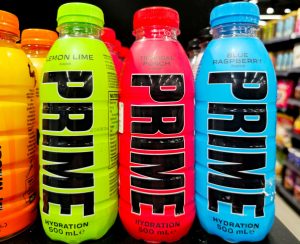
They created two versions: one without caffeine and one with high caffeine content. They promote these drinks everywhere they can, even on their own channels. Since they have major influence, they are able to promote it through other popular creators who also have followings made up of teenagers. Teenagers are more likely to consume products that are promoted by their idols. Due to this, many kids were introduced to the caffeinated version of Prime and will be more susceptible to other caffeinated beverages.
Another example of this would be when companies collaborate with influencers who already appeal to teenagers. Adolescents see those advertisements and think energy drinks are a part of social media culture.
Concerns about energy drinks and their marketing aren’t new. In 2013, three democratic senators investigated the marketing practices of certain energy drink companies. They found that adolescents between the ages of 13 and 17 are frequent targets of energy drink marketing. With all the new and sweet flavors like Blueberry Razz and other tropical fruits, they catch the attention of teenagers. It seems great when you can get a boost of energy from a drink that tastes just like fruit, but it sure does come with a price.
Risks Every Teen Should Know
When you take a closer look at a Monster can, it says “not recommended for children” in the warning section. This is because kids and teenagers are still developing their minds and tend to be more sensitive to the effects of caffeine. Therefore, they are more likely to feel anxious, irritable, and have sleeping problems. This has more of an impact on individuals regularly consuming caffeine, which leads to withdrawal symptoms like headaches. Some may even experience changes in mood or have difficulty sleeping more often, depending on the amount of caffeine they consume.
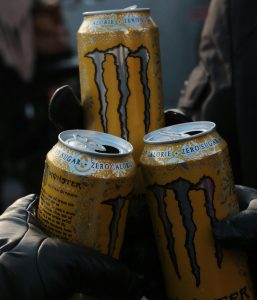
A dependency on caffeine is possible, and this can have risks on teenagers. If they have activities to do every day, they will most likely rely on an energy drink to get them through their day. Although that’s the case, there should be a limit to how much caffeine a student takes; after all, there are healthier options for sources of energy.
With the marketing of energy drinks sometimes targeted towards teens, and their demanding schedules, it’s no wonder they continue to consume them regularly. But next time you open a can, consider the effects it has on your body mentally and physically. It’s no problem when you drink one occasionally, but stay conscious of how often you consume them.
Sources:
https://undark.org/2019/06/26/kids-energy-drinks/
https://www.health.harvard.edu/nutrition/are-energy-drinks-bad-for-you