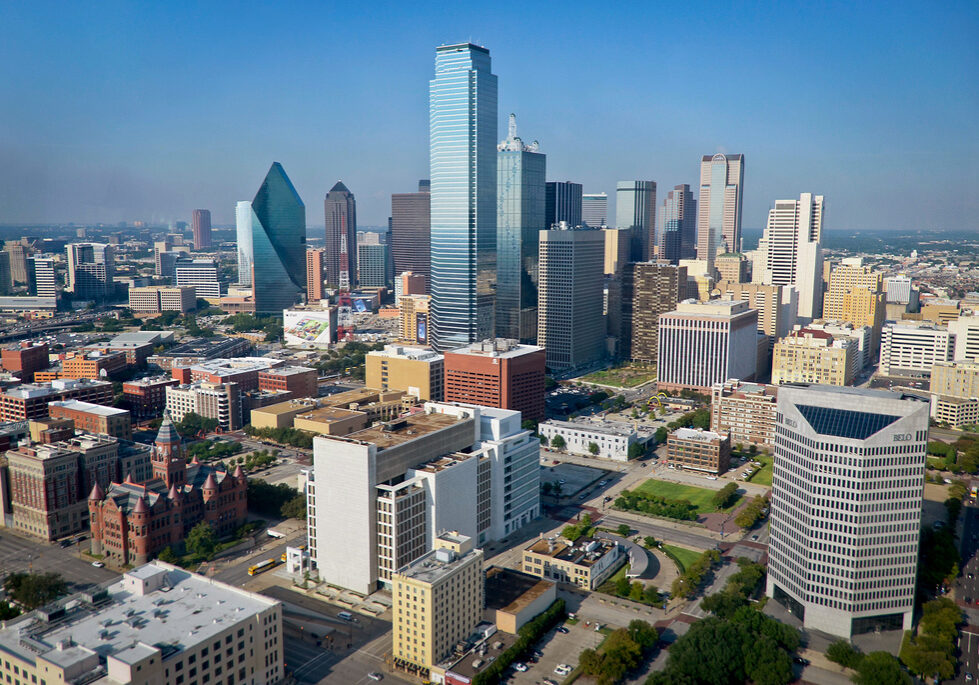
The bell rings at 5:30 p.m and it is time to leave my afterschool activity and get on the afterschool bus. To get to my dear home, I take the Lincoln, Madison and Skyline bus— Skyline High school kids had to be transferred onto the Lincoln-Madison bus due to the overcrowded bus we had to share with Bryan Adams. I pass Lincoln High School on Malcolm X Boulevard and Madison High School just south of Fair Park, two campuses rooted in the heart of South Dallas.
I have noticed that their buildings are older, their bricks weathered by time, and the streets around them seem to carry a worn-down look that immediately stands out. It is easy to see why some people point to this part of Dallas and reach for the word “ghetto”. It is a word tossed around too casually, often without much thought about what it actually means — or who it harms.
But as I kept driving on Scyene Road past DART’s Hatcher station, I began to think to myself: is the stereotype of South Dallas being “ghetto” actually true?
Poverty and Structural Inequality
Poverty, uneven investment, and aging infrastructure don’t belong to just one neighborhood or one side of Dallas; they exist across Dallas, just in different shapes with different levels of visibility.
It’s not a shocking fact that South Dallas faces concentrated economic hardship. Data shows that in parts of South Dallas, the median household income is around $39,000—lower than roughly 94% of U.S. neighborhoods—and nearly 45% of children live below the federal poverty line. Now, these numbers don’t just appear out of thin air. They come from decades of redlining, ignored infrastructure, and shrinking economic opportunities. These factors shape neighborhoods long before a teenager at a school miles away hears the word “ghetto” used as an insult.
Contrasts with North Dallas
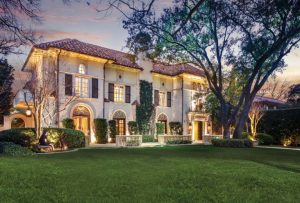
Differentiate this with the reality only twenty minutes north in neighborhoods like Highland Park, Preston Hollow, or far North Dallas. In Highland Park, the median household income sits around $250,000 —one of the highest in the state of Texas. The streets are manicured, construction feels steady, and their schools receive steady funding boosts from active PTAs. These differences are systemic and historic.
Stereotypes v. Reality
Yet, these contrasts are exactly what make it so easy for stereotypes to grow. When people drive down a block with shuttered corner stores or aging apartments, they often assume that the community is dangerous, chaotic —ghetto. This word thrown around becomes a way to blame the people rather than the policies. Poverty does not indicate lack of culture, strength, or value. It indicates lack of investment.
Poverty is not exclusive to South Dallas, it is simply visible there.
Parts of South Central Dallas have median incomes ranging from about $48,000 to $59,000, still below the citywide median but far from the hopeless image outsiders imagine. And even in the wealthier regions, pockets of economic struggle exist quietly and invisibly. There are students all over Dallas, even in North Dallas schools, who secretly deal with food insecurity. There are families renting in Highland Park who don’t quite benefit from the area’s extreme wealth at all. But poverty in wealthy neighborhoods stays hidden behind fresh pain and private fences. In South Dallas, the paint itself is a story.
The history of South Dallas shows why the neighborhood looks the way it does. In the 1930s, the federal government’s Home Owners Loan Corporation created maps grading neighborhoods for mortgage investment. Predominantly Black or low-income neighborhoods, many in South Dallas, were labeled “hazardous” and effectively blocked from receiving loans. The denial of loans and investment didn’t just vanish, but it created a generation of disinvestment. Without access to mortgages or business loans, families couldn’t build wealth to improve housing, and landlords had little incentive to maintain buildings. These policies set the stage for the economic and infrastructure disparities we see today.
Infrastructure and Resource Gaps
Even today, South Dallas neighborhoods face what researchers call “infrastructure deserts.” A 2022 study by Southern Methodist University found that streets, sidewalks, and access to basic services like grocery stores and clinics are severely limited in many historically marginalized areas. Residents in these neighborhoods are up to five times more likely to live in areas with deficient infrastructure compared to wealthier parts of the city. These are tangible barriers—not stereotypes—that affect health, safety, and opportunity.
Economic Opportunities and Daily Life
Economic data reinforces the story on inequality. South Dallas households face limited access to wealth-building opportunities, underfunded schools, and fewer local resources. Meanwhile, neighborhoods like Highland Park, with median household incomes around $250,000, benefit from decades of investment and access to economic growth. This disparity isn’t just about income— it shapes opportunities and daily life.
Next time you see aging storefronts, cracked sidewalks, or faded paint in South Dallas, remember: not a cultural problem — it’s structural. Those features are what remain when decades of investment, loans, and development deliberately bypassed entire neighborhoods. Meanwhile, in wealthier neighborhoods, infrastructure, schools, and business continued to thrive, and generational wealth accumulated. The differences between these parts of the city didn’t happen overnight, they are the result of continuing inequality.
Cultural Strength and Resilience
South Dallas is a community shaped by historical policy decisions, burdened by neglect, but carrying on with resilience. You can see it in the murals honoring local legends, in families gathering in church parking lots on Sundays, in students showing up to school with pride in their schools. These neighborhoods are rich in culture, history, and strength — resources that money cannot measure.
Recognizing these disparities is the first step toward change. Without acknowledging the history of redlining, segregation, and uneven investment, we risk continuing the cycle of blame. We risk judging communities by their streets and paint instead of addressing the policies that created the gaps in the first place.
Sources
https://www.neighborhoodscout.com/tx/dallas/south-dallas
https://www.smu.edu/stories/neighborhoods-in-focus
https://www.cbsnews.com/texas/news/smu-62-dallas-neighborhoods-infrastructure-deserts/
https://www.point2homes.com/US/Neighborhood/TX/Dallas/South-Central-Dallas-Demographics.html