It’s May, and it’s Asian American and Pacific Islander Heritage Month. This month is meant to honor the rich culture, to take the time to celebrate, and reflect the importance of Asian Americans and their contributions.
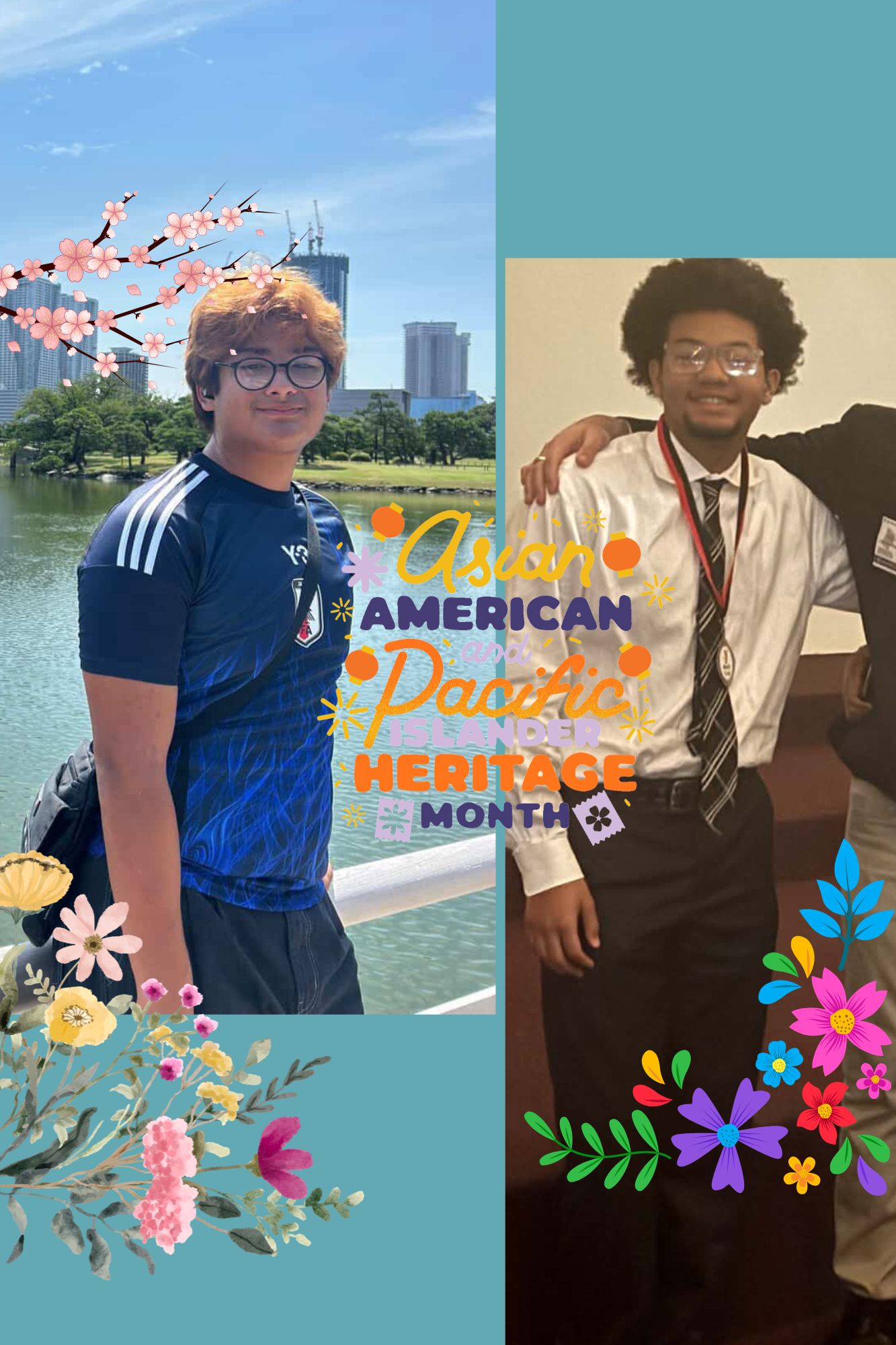
Students here at Townview with Asian Heritage have taken the time to reflect on their culture and identity and shared some information about us. Meet Jung-hwa Tutt and Richard Martinez, two students who expressed their reflection on this month.
Richard Martinez
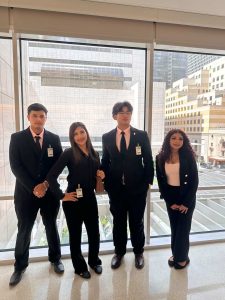
Richard Martinez is a junior at the School of Business and Management. He enthusiastically shared with us that he is involved in a lot of activities at school such as JROTC , SkillsUSA Building Search, and the volleyball club. Outside of school, he participates in lacrosse with Bridge Lacrosse, a non profit organization.
In our interview with him, we asked him his thoughts about something he wishes more people understood about his culture. He expresses how he’s noticed the change from Asian hate to love/obsession is “weird,” especially for people who look or are more Asian. For him, he feels that the trend of taking Asian culture and turning it into a viral thing is ignorant. He expressed how “there’s lots of culture and meaning behind things like matcha yet people see it only as a viral product, nothing more.” Observing one of our peer’s articles by Ashima about cultural appreciation vs appropriation, it is noted that popularizing ethnic foods, like matcha, “root from cultural minorities that have been historically discriminated against because of their differences.”
Among many others, this feeling of Asian culture being popularized but simply ignored is a feeling shared mutually. Thus, is it important to connect with one’s roots and truly appreciate one’s culture and take key inspirations from.
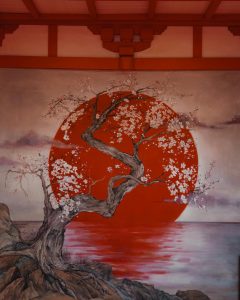
Richard takes great inspiration from his grandma, as well as Japanese art. He states how “the art is so intricate, detailed, and almost everything has a meaning.” “ And not in the way when your reading teacher is reading a book and wants you to find a hidden meaning,” he adds. He expresses how instead, everything is done with intention and deep meaning. His grandma has always supported him and introduced him to everything about his culture. Furthermore, he shares how his grandma came to the United States around the time after the Japanese Incarceration.
The Japanese Incarceration took place during World War II from Roosevelt’s Executive Order 9066, where Japanese people were forcibly removed from their homes, incarcerated, and forced to live in barbed-wire camps. Moments like these in history are meant to remind us about the atrocities historically minority people lived through. Taking the time to learn about the history of these is a way to reflect on Asian Heritage. Despite these moments, we learn from Richard’s grandmother that although as a person of color, one faces adversity and discrimination, it is important to take pride and honor in one’s culture.
Richard takes pride in Japanese heritage and his grandmother finds pride and joy when he learns Japanese or does something with his culture like cooking.
“My favorite food is okonomiyaki,” Richard recounts. In Japanese culture, the Okonomiyaki is best known as a savory pancake made from wheat flour mixed with ingredients consisting of cabbage, meat, and seafood which is then cooked on a Teppan (griddle).
Jung-hwa Tutt
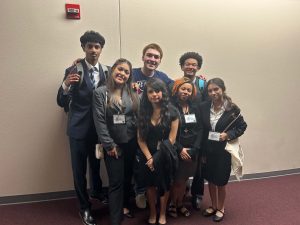
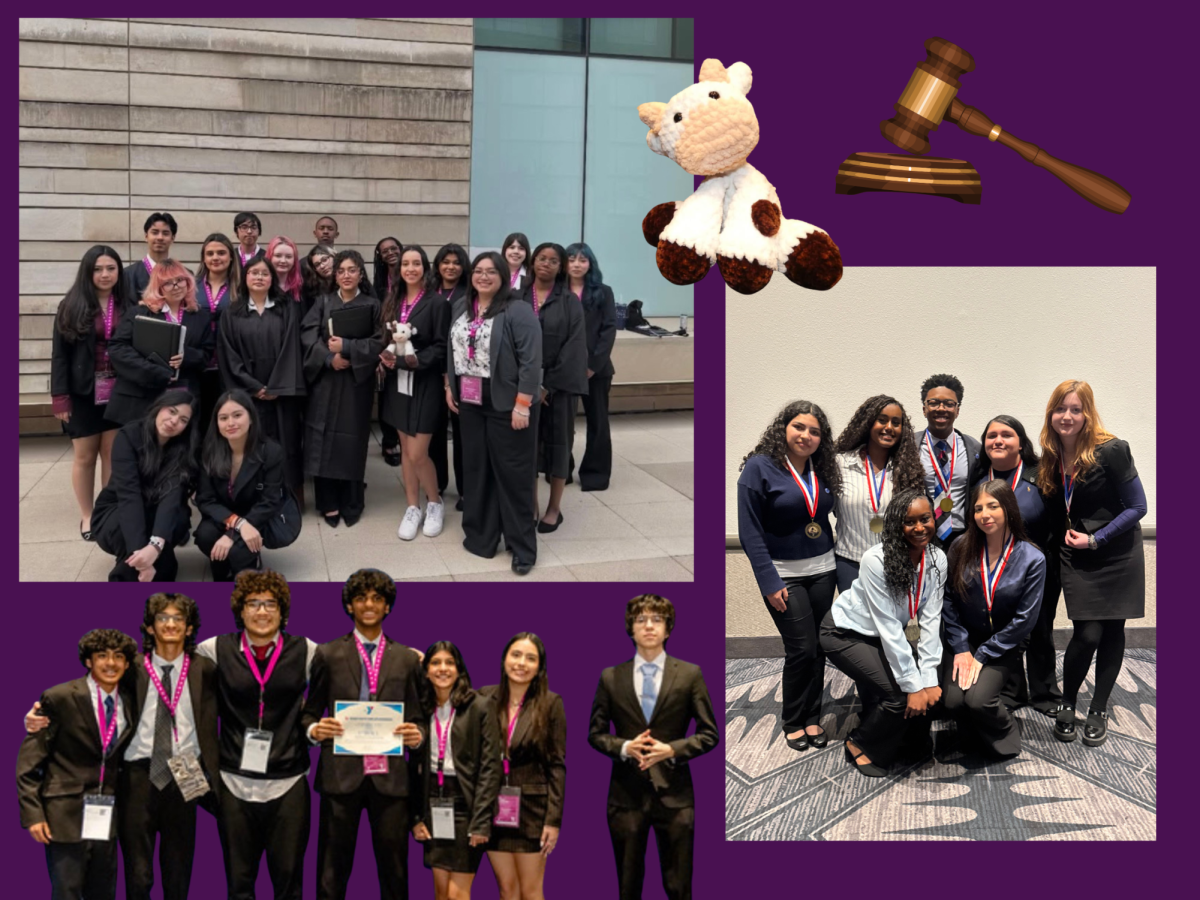
Jung-hwa Tutt, a bright junior at Judge Barefoot Sanders Law Magnet, is known for his cheerful personality and a packed schedule. He is deeply involved in Mock Trial, SkillsUSA, the Future Leaders Program, and Chess, and is an active member of Townview’s Black Student Union.
Like most students, Jung has a primary source of inspiration. When asked about a family or cultural figure who motivates him, he didn’t hesitate: “My grandmother inspires me a lot.”
He recounts how she moved to America after her husband passed away, bringing his mother and aunt when they were only two and five years old. Jung fondly describes the arduous task his grandmother faced in seeking out a place to call her own. Through pure grit and sacrifice, she eventually opened her own restaurant in Georgia. Beyond the standard “American Dream” narrative, Jung’s grandmother represents the world of courageous immigrant women who build their lives from the ground up to provide stability for their families.
When asked for a cherished cultural memory, Jung pointed to the time spent gardening alongside her. He notes a vast difference between American and Korean landscapes: “In Korea, people don’t have big yards with just grass; they usually have plants and trees they get food from.” Jung spends much of his summers helping his grandmother tend to her garden.
“She had green onions, oranges, kale, jalapeños, other peppers, carrots, beets, and a few more vegetables. We went and nipped the excess branches and leaves, and picked the vegetables to make food.” Jung’s experience reflects a larger trend; as of late 2023, there are reportedly over two million “urban farmers” in South Korea growing their own produce or cultivating “pet plants.”
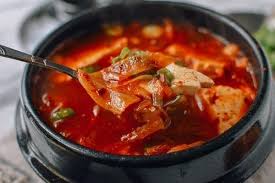
Most Law Magnet students already know how much Jung loves to eat. Naturally, when asked about his favorite Korean dish, he responded with enthusiasm: “My favorite cultural food is kimchi jjigae. It’s a soup with kimchi, beef broth, tofu, any meat like pork or chicken, and gochugaru.”
Whether one celebrates Asian American and Pacific Islander Heritage Month or not, the Asian community at Townview lives with courage, learned lessons, and a drive for success. From Jung-hwa’s grandmother’s garden to Richard’s grandmother’s enduring strength, these stories share a common thread: heritage is not just a trend or a viral product, but a root system that provides stability.
An act of courage can help you grow an array of intricate intentions within your own life, woven by culture and a pride in where you came from. In the end, heritage is a labor of love—one that we must continue to protect and take pride in for generations to come.